
Leadership & Workplace Culture
Why People Focused Leadership Matters More Than Ever
People Focused Leadership
17 April 2026
You’ve promoted your people. Now you need to equip them with the skills to lead.
Becoming a manager can be a significant step.
Often, people are promoted because they are knowledgeable, capable and excellent at what they do. But managing people requires a different set of skills.
Suddenly they are expected to have difficult conversations, motivate different personalities, manage performance, communicate clearly, support wellbeing, create trust and make decisions that affect other people’s working lives.
And they may never have been taught how.
At Careers Ideas, we support leaders and organisations to build inclusive, psychologically safe and high-performing working environments, giving managers the practical skills, confidence and understanding they need to lead people well.

Giving people the tools to lead with confidence
Stepping into management can be exciting, but it can also feel daunting.
The skills that make someone successful in their existing role are not necessarily the same skills they need to lead a team.
New and developing managers may find themselves asking:
Without the right support, managers can end up learning through trial and error.
Providing effective management and leadership development gives people the opportunity to build those skills intentionally, creating stronger managers, healthier teams and a better experience for everyone involved.
The way people are led shapes the way they experience work.
Strong workplace cultures are built through everyday interactions.
How managers communicate. How mistakes are handled. Whether people feel comfortable asking questions. Whether different perspectives are genuinely welcomed. How feedback is given. How decisions are explained. And whether people feel trusted, respected and able to contribute.
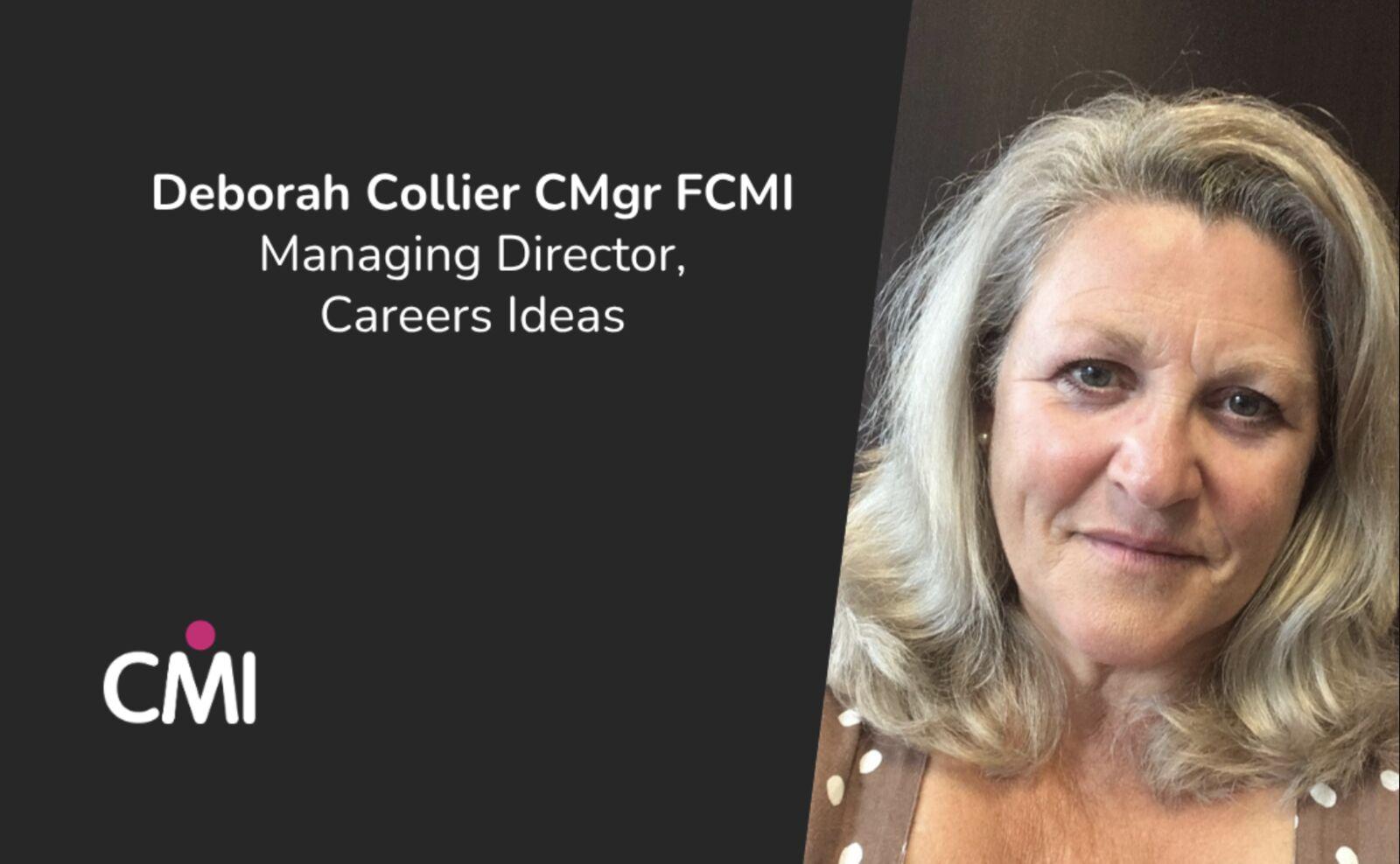
That is why Deborah’s work looks beyond traditional management techniques to explore the wider behaviours and environments that enable people to perform at their best.
This includes areas such as:
Developing managers who understand that strong performance and strong relationships are not competing priorities.
Building greater self-awareness and helping leaders understand how their behaviour and communication can affect others.
Creating environments where people feel able to ask questions, share ideas, challenge respectfully and acknowledge mistakes without fear.
Helping managers understand different experiences, perspectives and needs so more people have the opportunity to contribute and succeed.
Giving managers practical tools to approach feedback, performance conversations and workplace challenges with clarity and confidence.
Exploring the behaviours, expectations and leadership practices that shape what it actually feels like to work within an organisation.
Development should make a difference beyond the training room.
Leadership development is most valuable when people can take what they have learnt and use it.
Deborah’s approach combines research, professional experience and practical application, helping participants explore not only what effective leadership looks like, but what it means within their own teams and organisations.
Sessions are designed to encourage people to reflect, question and apply.
Rather than simply presenting a model and moving on, Deborah helps participants consider:
The aim is to turn learning into better conversations, stronger relationships and practical change.
Flexible support shaped around your people and organisation
Every organisation is different, which is why Deborah’s work can be tailored around the challenges, people and outcomes you are working towards.
Support can include:
Practical, engaging sessions designed to develop management and leadership capability across areas including communication, emotional intelligence, psychological safety, inclusive leadership and workplace culture.
A deeper exploration of a particular leadership, workforce or organisational challenge, bringing together evidence, insight and different perspectives to identify practical recommendations.
Thought-provoking sessions for conferences, leadership events, team development days and professional networks, designed to challenge assumptions and encourage meaningful conversation.
Leadership & Workplace Culture support can be particularly valuable for:
Support can be adapted to suit different levels of experience, organisational priorities and team needs.
Small leadership behaviours can have a significant impact.
Workplace culture is not simply a statement on a website or a set of organisational values.
It is what people experience.
It is the conversation after somebody makes a mistake.
The response when someone raises a concern.
The way a manager gives feedback.
Whether quieter voices are invited into the conversation.
Whether someone feels safe saying, “I don’t understand.”
And whether employees believe their manager genuinely wants them to succeed.
Helping managers understand the influence they have over these everyday experiences can create positive change far beyond an individual training session.
Because when people are equipped to lead well, teams communicate better, individuals feel more supported and organisations are better placed to perform.
Leadership and workplace culture rarely exist in isolation.
They can influence recruitment and retention.
They can affect whether neurodivergent employees feel understood and supported.
They shape how confidently people develop new skills.
And they can determine whether someone joining from a very different working environment feels able to belong and contribute.
It is why Careers Ideas looks at leadership as part of a much wider picture.
Better leadership creates better conditions for people to succeed.
Start with what your organisation needs.
You may already know you need management training.
Or perhaps you are seeing recurring challenges around communication, confidence, team dynamics, inclusion or workplace culture and are not quite sure where to start.
Deborah can work with you to understand what is happening, identify the right areas of focus and shape support around your people and organisation.
Explore more ideas, research and practical perspectives from Deborah.
People Focused Leadership
17 April 2026
Chartered Manager of the week!
17 April 2026
Why taking a break matters!
30 March 2026