Employability & Skills Pathways
Collaboration, Innovation and the Future of Skills and Employability
The Future of Skills and Employabilty
23 September 2026
Connecting people, skills and opportunity
Helping people understand what they can offer, where they can go next and how to get there.
Career journeys are rarely straightforward.
People change direction. Industries evolve. Employers need different skills. Young people enter a workplace that looks very different from the one previous generations experienced.
And often, the challenge is not a lack of potential.
It is knowing how to recognise it, articulate it and connect it to the right opportunity.
At Careers Ideas, we work across education, employment and organisational development to help people build confidence in their skills, understand the opportunities available to them and navigate meaningful pathways into work and progression.
We also work with employers and education providers to strengthen the connections between learning, employability and the skills organisations actually need.
Sometimes people need help seeing the value in what they already bring.
A young person may have valuable transferable skills but no idea how they relate to the workplace.
Someone returning to employment may have lost confidence in what they can offer.
A career changer may struggle to explain how their existing experience translates into a different sector.
An employer may say they cannot find the right people, while potential candidates struggle to understand what the organisation is really looking for.
And an education provider may be working hard to prepare learners for employment without enough connection to current employer expectations.
These are not separate challenges.
They are different points within the same skills pathway.
Deborah’s work helps bring those points together.
Employability is about more than writing a CV.
Getting into work, progressing within it and navigating change requires a much broader set of capabilities.
People need to understand what they are good at.
They need confidence communicating their experience.
They need to recognise transferable skills.
They need to understand how workplaces operate and what employers expect.
And they need the ability to adapt as opportunities, technology and industries change.
Careers Ideas helps individuals and groups develop practical skills and greater confidence across areas such as:
Understanding how experience gained through education, volunteering, caring, military service or previous employment can translate into different opportunities.
Helping people talk about their skills, strengths and experience with greater clarity and confidence.
Building understanding around communication, professional behaviours, teamwork, problem solving and the expectations of modern workplaces.
Helping people think more broadly about where their skills could take them and identify realistic next steps.
Supporting people through changes in career direction, return to work or movement between very different employment environments.
Education and employment work better when they understand each other.
The transition from learning into employment can be difficult when there is a disconnect between what people are taught, what employers expect and how opportunities are communicated.
Employers may identify skills gaps.
Education providers may be developing talented people.
Individuals may have relevant capabilities.
But unless those pieces connect, opportunities can still be missed.
Deborah works across these different perspectives to help organisations ask:
Creating stronger pathways means understanding the whole journey rather than focusing on only one stage.
Recruitment is not only about finding experience. It is about recognising capability.
Organisations can unintentionally narrow their talent pool by focusing too heavily on traditional career paths, qualifications or familiar types of experience.
Yet people may bring highly valuable skills from very different backgrounds.
The challenge is ensuring those skills are recognised and giving candidates the opportunity to demonstrate them.
Deborah helps organisations think more broadly about talent, employability and progression, creating stronger connections between what employers need and what people can offer.
Skills pathways should create opportunities for progression, not simply a first step.
Employability does not stop when someone gets a job.
People continue learning, adapting and developing throughout their working lives.
For employers, creating clear opportunities for development can support engagement, retention and workforce planning.
For individuals, understanding how skills can build and transfer over time creates greater confidence and career resilience.
Careers Ideas takes a long-term view of employability, exploring how people can move between learning, employment, development and progression throughout different stages of their lives.
Practical support shaped around your people and objectives
Deborah works with education providers, employers, organisations and individuals to strengthen employability, develop skills and create clearer pathways into opportunity.
Support can include:
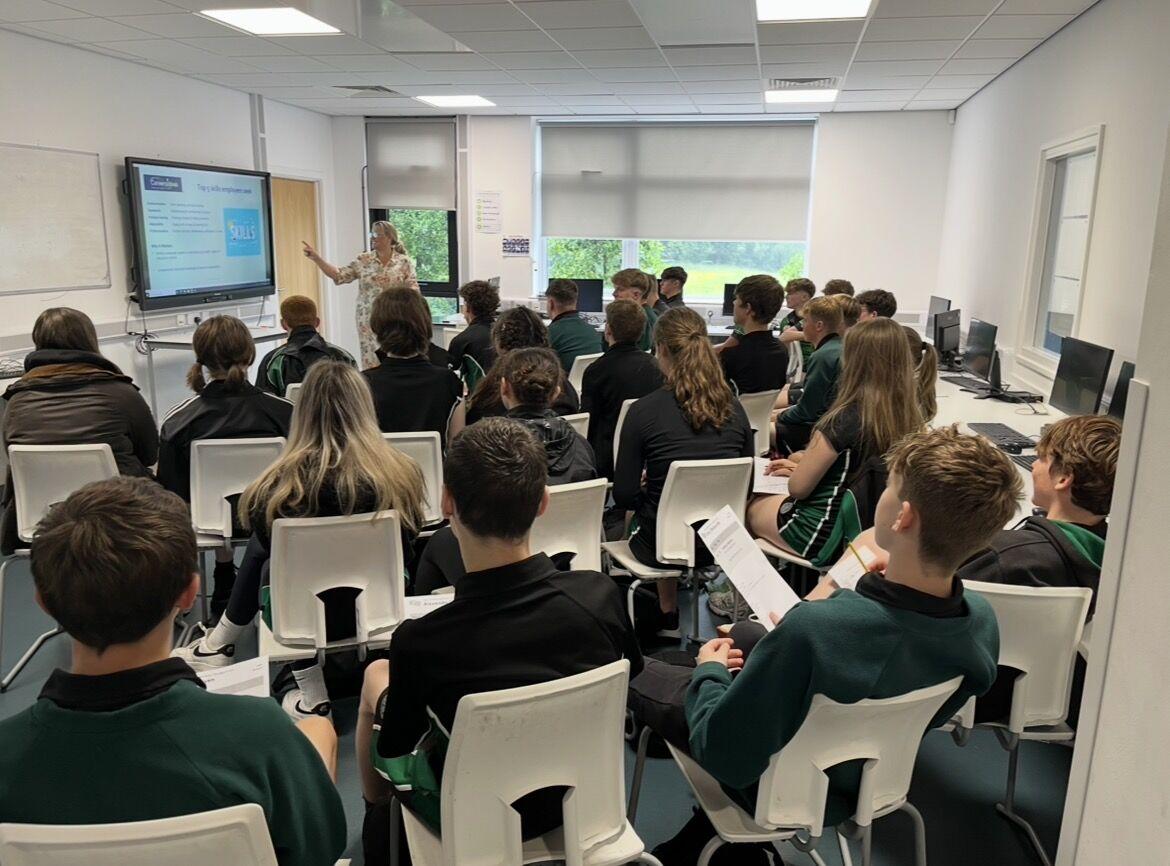
Practical and engaging sessions focused on employability, transferable skills, workplace readiness, career development and confidence. Workshops can be adapted for young people, adults, employees, career changers or specific communities.
Support for organisations exploring skills gaps, employment pathways, workforce challenges or the connection between education and employer needs. Deborah brings together research, stakeholder insight and practical experience to help identify opportunities and recommendations.
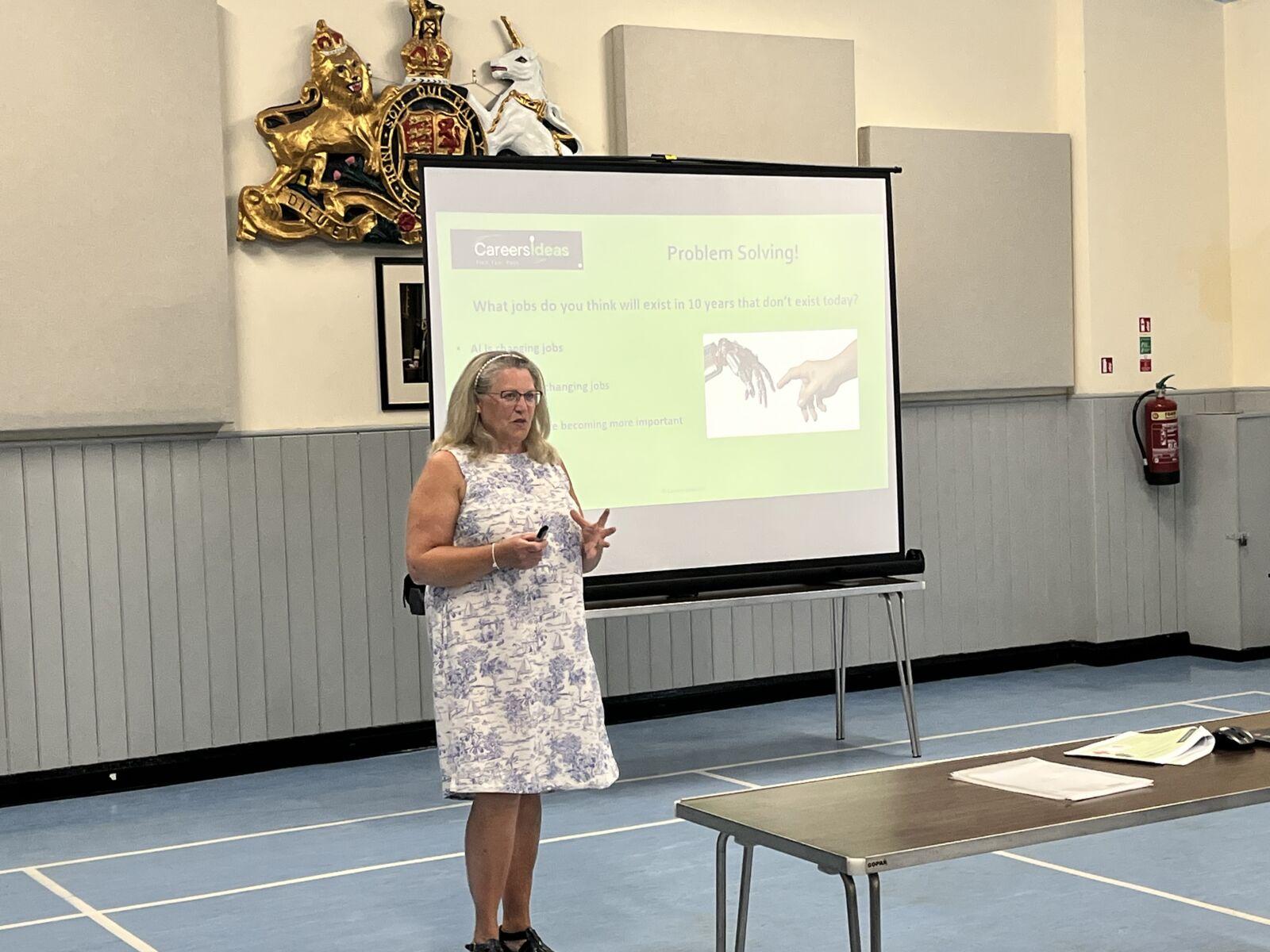
Accessible, thought-provoking talks around skills, employability, career pathways and the changing world of work. Suitable for education settings, employer events, professional networks and conferences.
Employability & Skills Pathways support can be particularly valuable for:
Support can be shaped around a specific group, challenge or outcome.
Opportunity grows when people can see where their strengths could take them.
One of the biggest barriers to progression can be not knowing what is possible.
People may underestimate their experience.
They may not use the same language as employers.
They may rule themselves out before applying.
Or they may simply never have been shown how their skills connect to opportunities beyond the path immediately in front of them.
Helping people understand their strengths and build confidence in communicating them can change the choices they make.
And helping employers recognise those strengths can create opportunities that might otherwise have been missed.
Employability is not the responsibility of one individual or organisation.
It sits within a wider system involving education, employers, communities, skills development and opportunity.
Deborah’s breadth of experience enables her to work across those different perspectives, identify where connections are missing and help create more practical routes forward.
Because when people understand their skills, employers understand potential and education connects more clearly with opportunity, everyone benefits.
Start with the outcome you are trying to achieve.
Perhaps you want to improve workplace readiness.
Strengthen connections between education and employers.
Help a group recognise and communicate their transferable skills.
Develop a clearer route into employment or progression.
Or understand why people are not moving successfully from one stage of a pathway to the next.
Deborah can help you explore the challenge, understand where the gaps may be and identify practical ways forward.
Explore more ideas, research and practical perspectives from Deborah.
The Future of Skills and Employabilty
23 September 2026
For everyone, everywhere!
5 August 2026
Career Insights with local Cadets!
8 July 2026